Commercial property is maintained by a web of obligations: landlord, tenant, managing agent, service contractor and insurer. When everything is working, the web is invisible. When a ceiling leaks or an alarm fails an inspection, it becomes a dispute about who should have booked the last visit.
A preventive maintenance plan turns that web into a schedule. It names the asset, the task, the frequency, the owner and the record. It also separates statutory checks, which are non-negotiable, from planned maintenance and reactive repairs, which need a budget and a decision process.
This guide is for small commercial landlords, occupiers and property managers. The specifics depend on the building and local law, so confirm the statutory list with a qualified adviser.
Map the building and the responsibilities
Start with a simple asset register: roof, structure, external walls, windows, doors, drainage, heating, ventilation, electrical installation, fire systems, lifts, security and grounds. For each, record the age, the condition, the warranty and who is responsible under the lease.
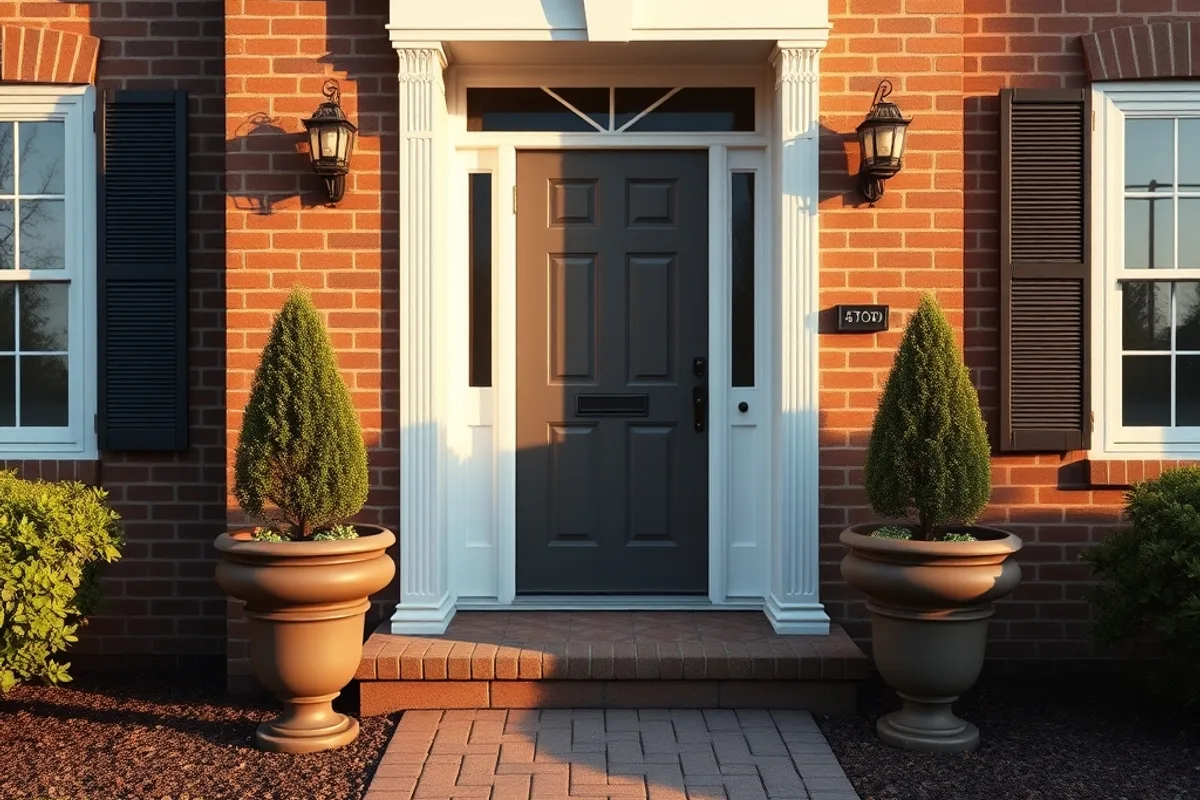
Read the lease carefully. Repairs, insurance, service charges and alterations are usually allocated in detail, and the allocation may not match common sense. A tenant may be responsible for the shopfront while the landlord owns the structure behind it.
Walk the property with the tenant or manager and photograph each asset. A shared visual record prevents the "it was already like that" conversation later. Note access routes, keys, isolators and plant locations.

Separate statutory, planned and reactive work
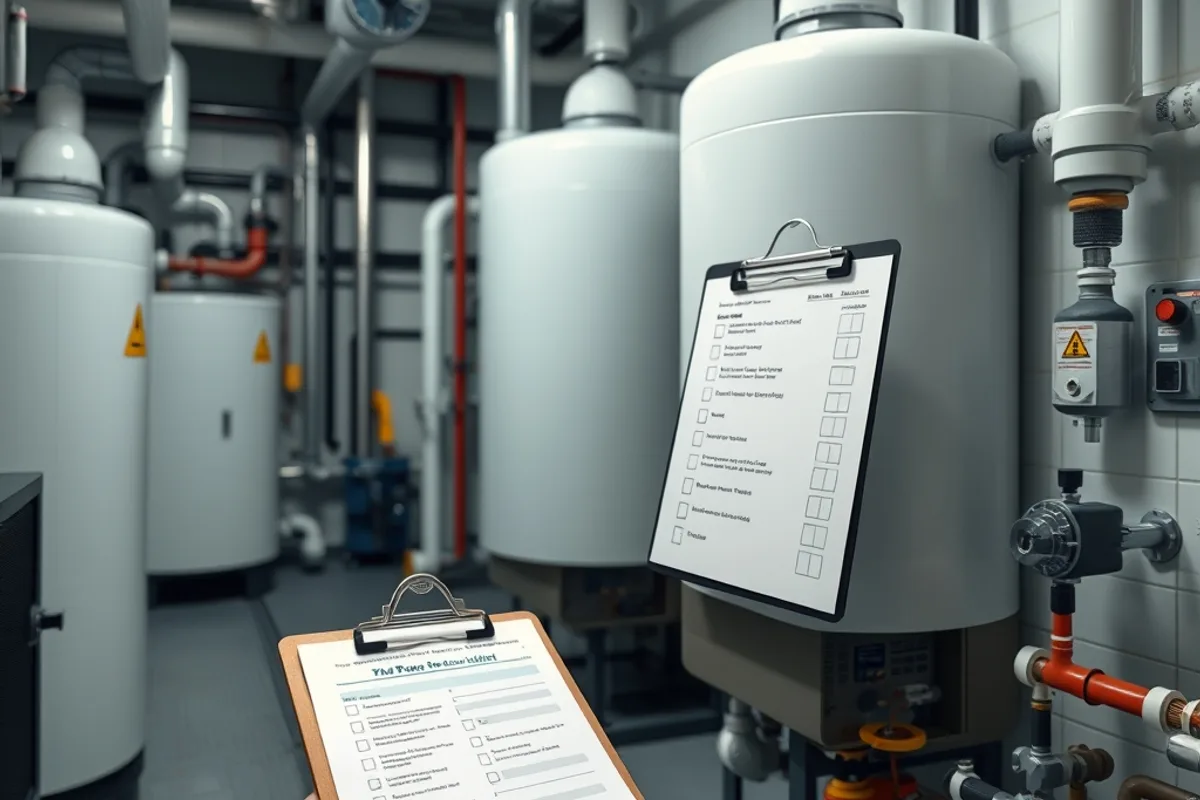
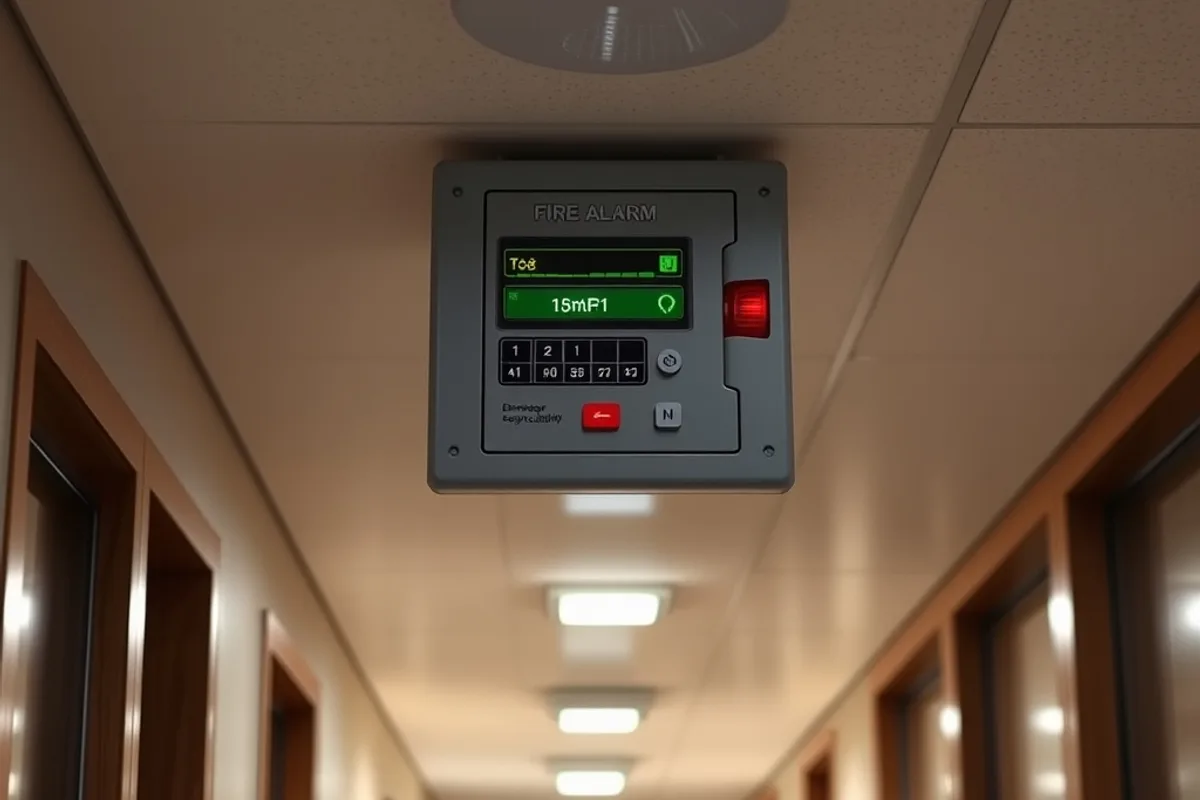
Statutory checks are the fixed points: fire alarms, emergency lighting, electrical inspection, gas safety, lift inspection, water hygiene and asbestos management, depending on the building and the jurisdiction. These have legal deadlines and must be recorded, not just done.
Planned maintenance covers the tasks that prevent failure: gutter clearing, roof inspections, servicing heating and ventilation, testing drainage, repainting external joinery and checking seals. It is cheaper than waiting for a failure, but it is often the first budget cut in a tight year.
Reactive repairs are the unpredictable ones. Keep a clear reporting route, an approval threshold and a list of approved contractors. A leaking roof at 6 p.m. should not require a board meeting; a defined emergency limit lets the manager act and report afterwards.
Build a calendar that people actually use
A maintenance calendar should show the month, the task, the asset, the contractor and the evidence required. Keep it in a shared system with reminders, not in one person's inbox. The point is that the task survives a change of staff.
Group tasks by season where possible. Clear gutters before the rainy season, service heating before winter, inspect the roof after storms and check external drainage before the wet months. Seasonal grouping reduces mobilisation costs and makes the plan easier to explain.
Record completion with a date, a name, a photograph and a certificate where relevant. A folder of invoices is not a maintenance record. An inspector will ask what was done, when and by whom.
A maintenance plan is not a list of jobs. It is a list of owners, dates and evidence. Without those three, it is a wish.
Budget for lifecycle, not just repairs
Every component has a service life. Roof coverings, boilers, lifts, windows and external paint all wear out on a rough schedule. A lifecycle budget sets aside money each year so that replacement is a planned project rather than an emergency.
Use the asset register to estimate remaining life and replacement cost. Even a rough figure is better than nothing. Review it annually and adjust for inflation and condition. The goal is not a perfect forecast but a fund that grows before the roof fails.
Separate the service charge from the landlord's own capital budget. Tenants should see what they are paying for and why. Transparent service charges reduce disputes and make it easier to justify planned work.

Manage contractors and access
Use contractors who are qualified for the specific system and who provide certificates. Keep a list of approved suppliers with insurance details, rates and emergency contacts. A cheapest-rate contractor without the right accreditation can invalidate a warranty or an insurance policy.
Plan access. Commercial tenants cannot always close for a service visit, so agree times, permits, keys and escorts in advance. For roof or plant work, make sure safe access is provided and that the contractor's method statement is reviewed.
Review contractor performance annually. Did they attend on time, leave a report and complete the follow-up? A short review prevents the slow decline that turns a good supplier into a liability.
Keep the records inspection-ready
Store certificates, reports, insurance documents and warranties in one place, with a simple index. Keep them for the period required by law and for the life of the asset. When a tenant asks for evidence or an insurer requests a survey, you should be able to produce it in minutes.
Log reactive repairs as well as planned work. Patterns emerge: the same gutter blocks every autumn, the same door closer fails every year. A repair log turns recurring annoyance into a design fix.
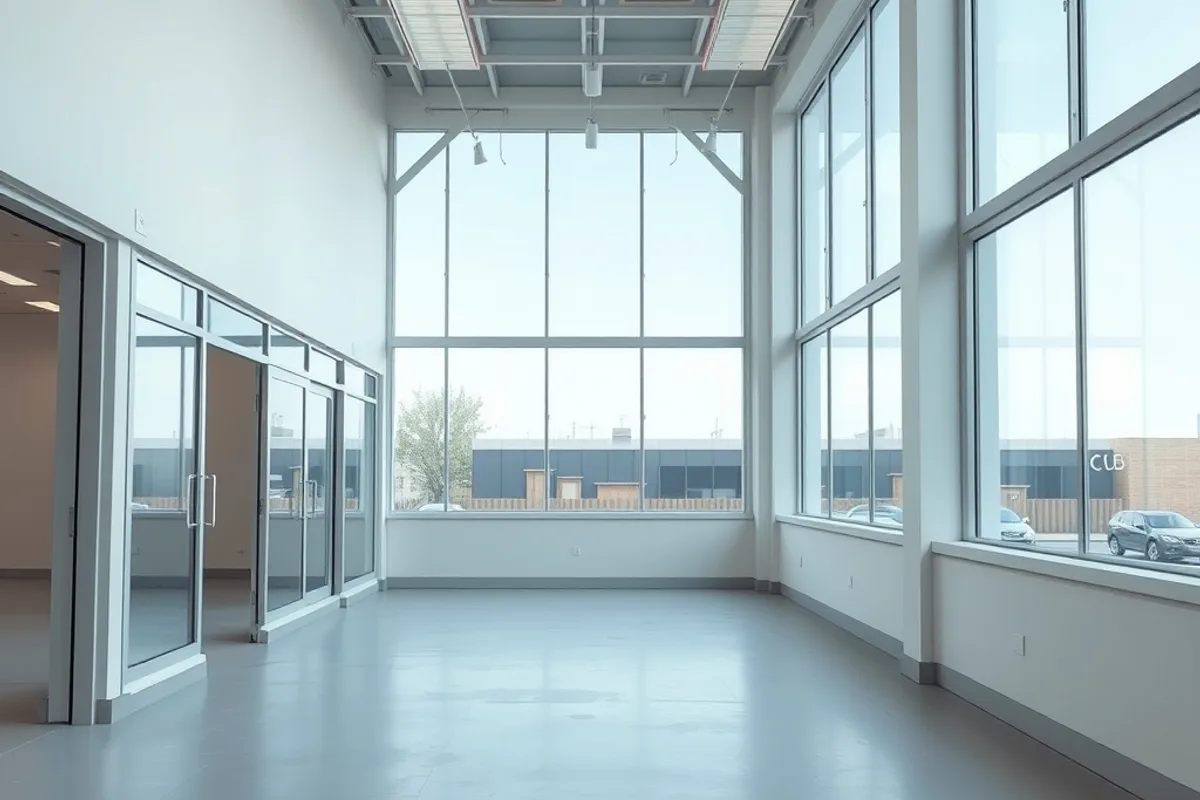
At lease end, use the record to agree the condition and the dilapidations. A well-maintained property with clear evidence is easier to hand over and easier to re-let.
Preventive maintenance essentials
- Create an asset register with age, condition, warranty and owner.
- Read the lease and map landlord and tenant responsibilities.
- List statutory checks with legal frequencies and evidence.
- Schedule seasonal planned work and set an emergency approval limit.
- Fund lifecycle replacement before components fail.
- Keep certificates, service reports and repair logs in one index.
The bottom line
Commercial maintenance is mostly administration with a spanner. Name the assets, assign the owners, schedule the checks and keep the evidence. A building run that way costs less to operate and is far easier to lease, insure and sell.
If you are preparing a unit for a new occupier, read our guide to budgeting and phasing a commercial fit-out.