Period windows attract strong opinions. One contractor says they are beyond saving, another says replacement is a crime. The useful answer is more specific: which parts are sound, which have failed and what the owner actually needs from the window in terms of comfort, noise and maintenance.
A well-made timber sash can last a century or more if it is maintained. The frame, the sash, the glass, the cords and the ironmongery all age at different rates. Treating the window as a system rather than a single object usually reveals that repair is both cheaper and better than replacement.
This guide covers timber sash and casement windows in older homes. Check local conservation rules before changing any window on a listed or protected building, because consent may be required even for a like-for-like repair.
Assess each part separately
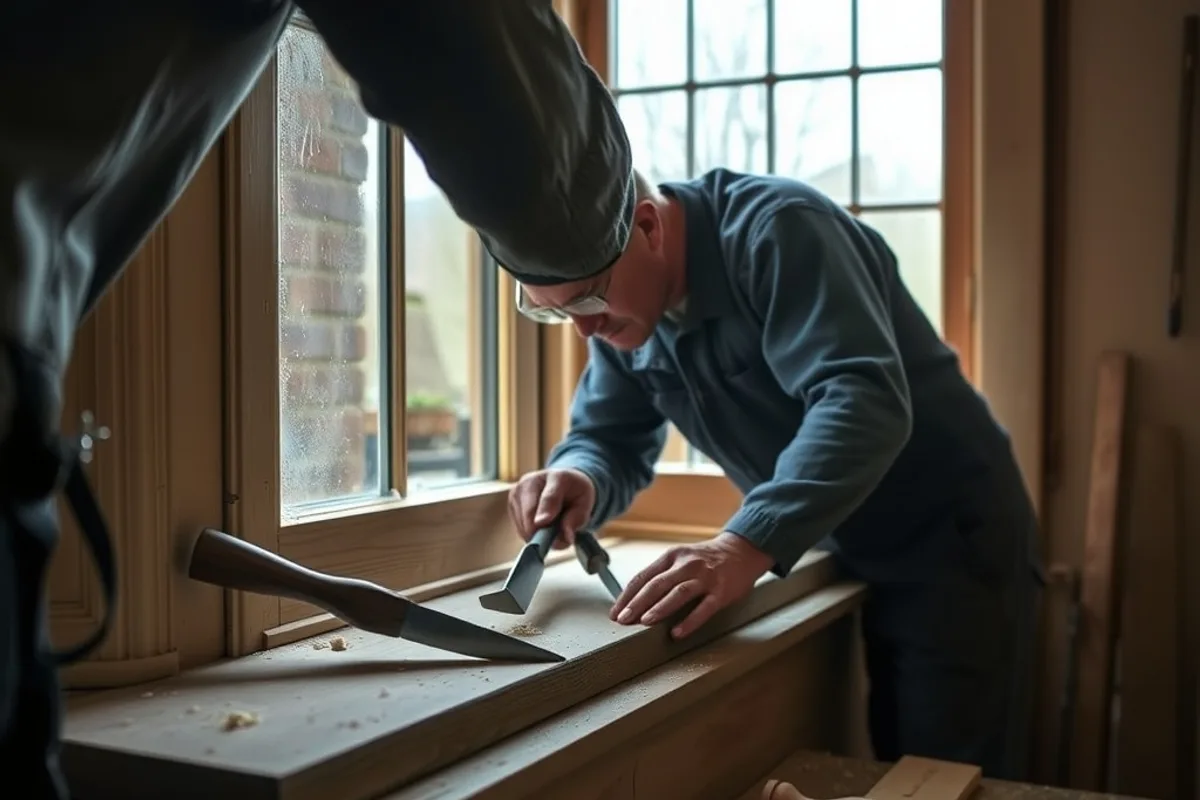
Start with the frame. Probe the sill, the bottom rail and the joints where water sits. Soft timber can often be cut out and spliced with matching stock; a frame that has rotted through at the base may need a partial rebuild rather than a full replacement.
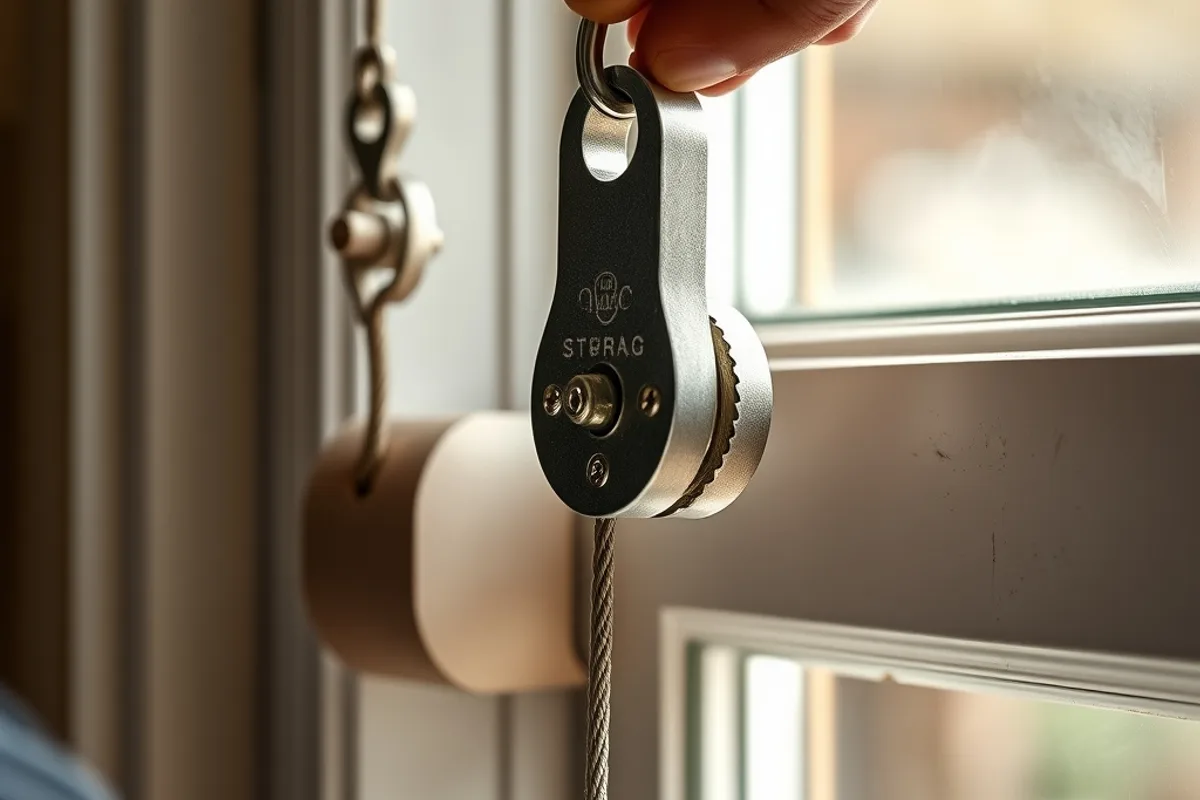
Check the sashes for square and for smooth movement. A sash that sticks may simply need the paint broken at the rebate, or it may have swollen after years of leaks. Look at the cords and weights: broken cords are a straightforward repair for a joiner and do not require new windows.
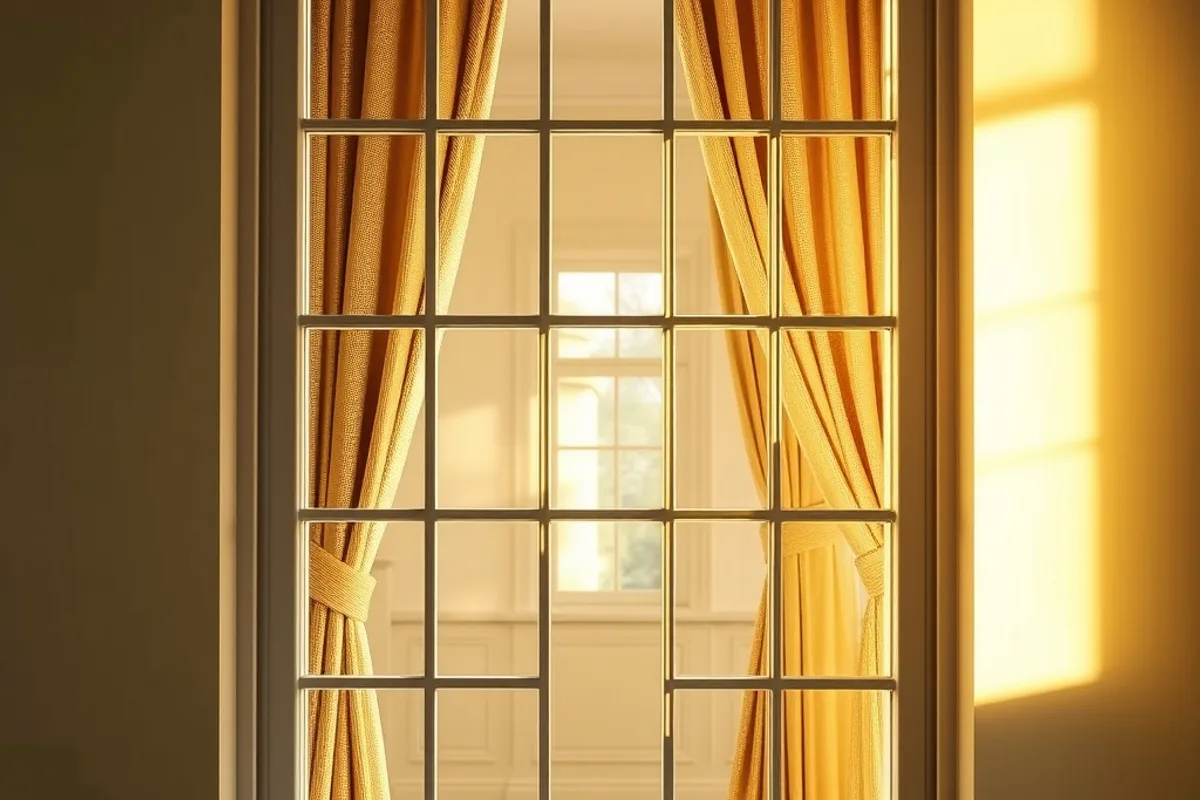
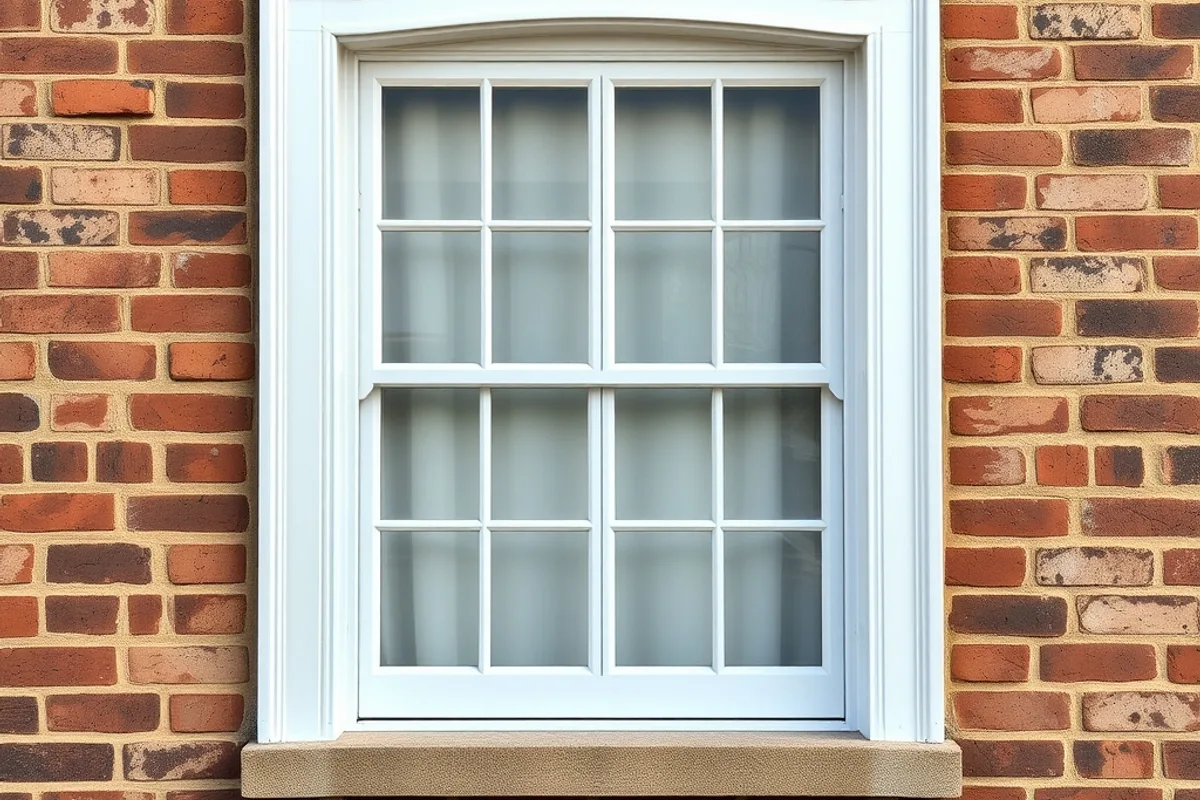
Inspect the glass. Original cylinder or drawn glass has a slight distortion that many people value. Cracks and missing putty need attention, but a cracked pane can be replaced with restoration glass rather than a full unit.
Decide what performance you need
Original single glazing is poor at retaining heat and weak at blocking noise. That matters most in a bedroom facing a road or in a room that is expensive to heat. The question is how much performance you need and where it is worth paying for.
Secondary glazing is often the best compromise: it can be fitted inside an existing window, is reversible, improves heat retention and reduces noise, and leaves the exterior appearance unchanged. It does add a visible inner frame, so choose a slim profile and a neat fixing.
Draught-proofing is cheaper still and surprisingly effective. Replace worn brush seals, fit a suitable bead or gasket to the opening sash and seal the frame-to-wall junction with a breathable sealant. Do not block the trickle vents or any deliberate ventilation, because a sealed old house needs air movement to control moisture.
Repair before you replace
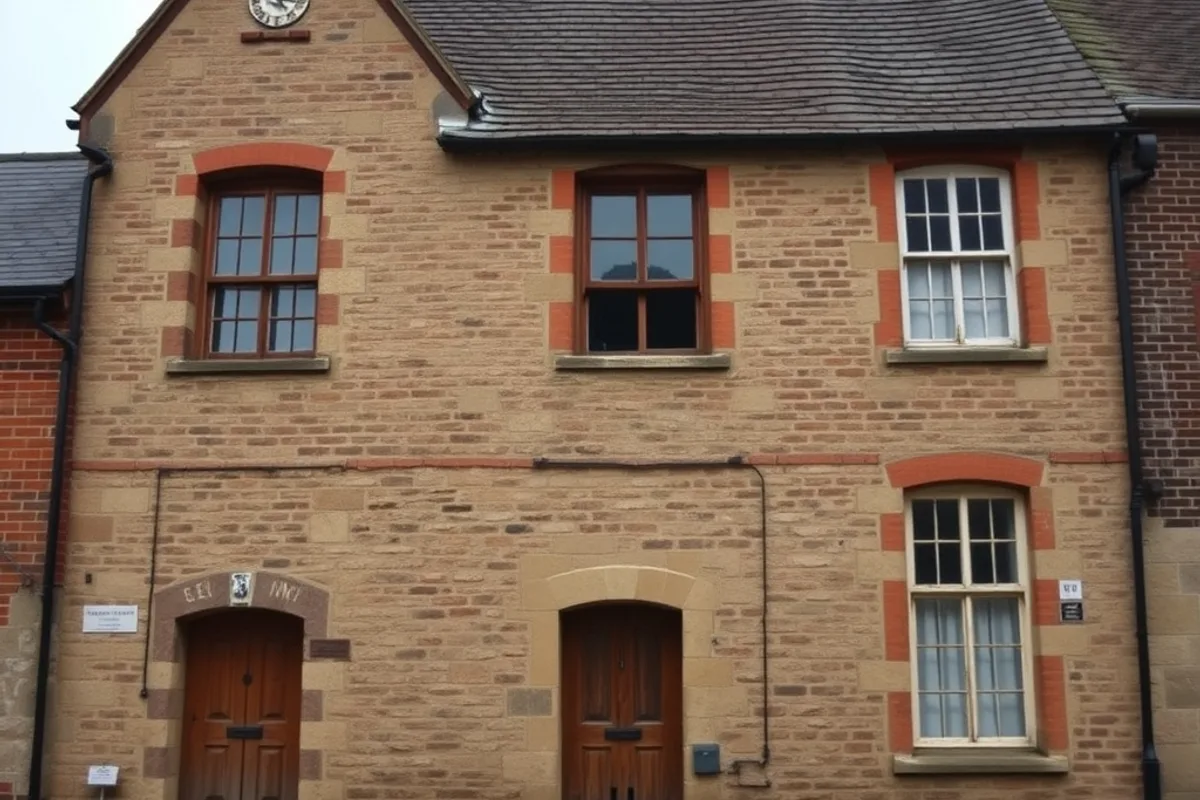
A typical repair involves cutting out rot, splicing new timber, re-puttying or re-glazing, replacing cords, adjusting the sash and repainting with a suitable breathable paint. Done well, it restores both function and appearance and keeps the original profile, which is what gives a street its character.
Use a joiner who has worked on period windows and can match mouldings. Modern universal fillers are fine for small defects, but structural repairs need real timber and proper joinery. Ask how they will treat the back of the frame that you cannot see.
When repainting, prepare carefully and avoid trapping moisture. A microporous paint allows the timber to breathe, while a heavy film can blister if water gets behind it. Prime any bare timber and follow the manufacturer's instructions for drying times.
The greenest window is usually the one already in the wall. Repair keeps the material, the craft and the character in place.
When replacement is the honest answer
Replacement can be right when the frame is extensively rotted, when the window has already been badly altered, or when the building is being changed in a way that requires new openings. It is also reasonable when the owner cannot maintain timber and needs a low-maintenance alternative.
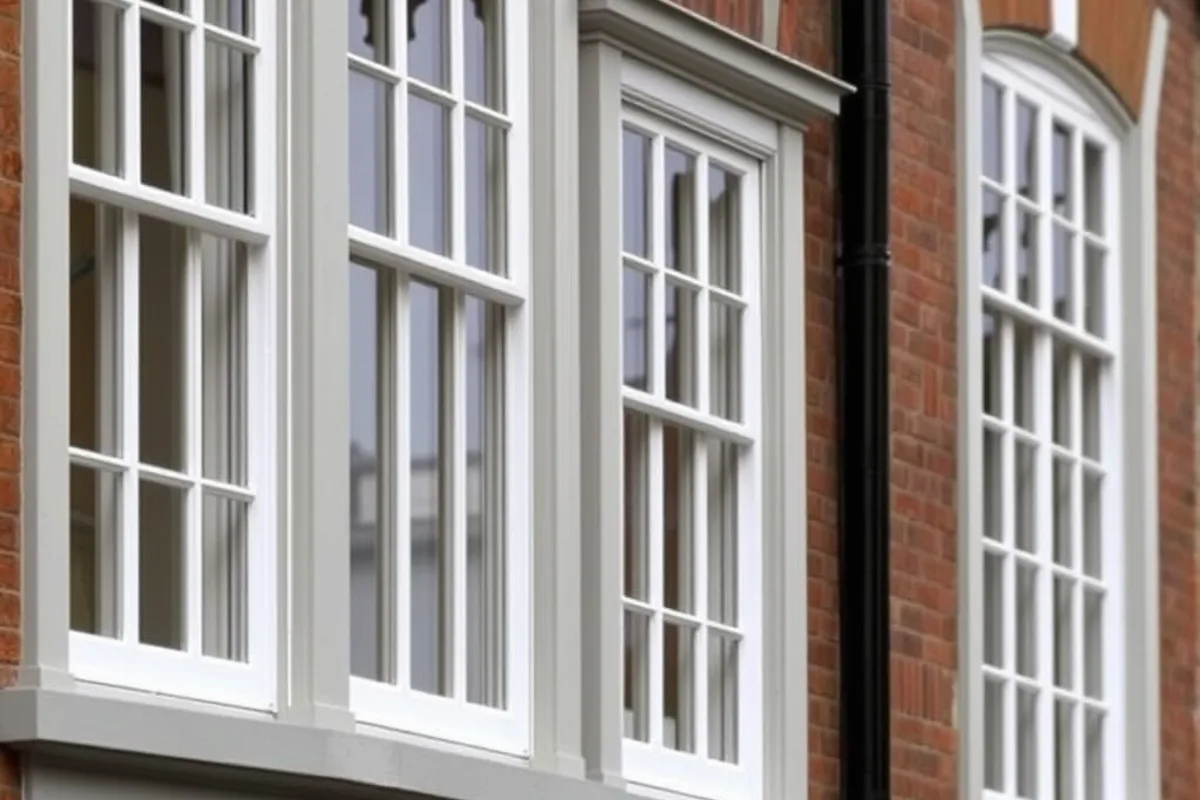
If you replace, insist on a design that matches the original proportions, glazing bars and reveal depth. A modern window with the wrong sightlines can change the appearance of a whole facade. In conservation areas, uPVC is often unacceptable, and some authorities require timber or metal frames.
Consider slim-profile double glazing set into a timber frame. It improves thermal performance while keeping the narrow sightlines that suit older buildings. Ask about the whole-unit U-value, the glass specification and how the frame is drained and ventilated.
Get the installation details right
Most window failures come from the junction with the wall, not the window itself. The frame should sit on a level, sound base, with a proper damp-proof course and a gap that is insulated and sealed appropriately. Expanding foam alone is not a weather seal.
Make sure the sill falls outward and that water can escape from the frame's drainage slots. Keep the external ground level below the damp-proof course. Internally, use a breathable sealant or a proper trim detail rather than a thick bead of silicone that hides a gap.
Check that the reveal is insulated where possible, especially in older solid walls. Cold bridges around a new window can cause condensation on the internal reveal, which is often blamed on the window rather than the installation.
Plan maintenance and cost over decades
A repaired timber window needs repainting every five to ten years, depending on exposure. Replacement units need less frequent maintenance but may need seals, hinges or glass units replaced sooner than expected. Compare the whole-life cost, not just the quote.
Keep a record of the work, including paint colours and any glazing specification. If a unit fails, a matching replacement is easier to source with the original details to hand. For heritage buildings, keep photographs of the window before and after repair.
Budget for the awkward jobs: scaffolding, access, making good and disposal. These can be a significant share of a replacement quote and are often left out of the headline price.
Repair-or-replace checklist
- Probe the sill, bottom rail and frame joints for soft timber.
- Check cords, weights, hinges and sash movement before condemning the window.
- Try draught-proofing and secondary glazing before full replacement.
- Match profile, glazing bars and reveal depth if you do replace.
- Detail the frame-to-wall junction so water drains outward.
- Compare whole-life maintenance, not just the installation quote.
The bottom line
Period windows are usually repairable, and repair is often the better environmental and architectural choice. Assess the parts, improve draughts and glazing where it matters, and replace only when the frame or the brief genuinely demands it. Character is hard to buy back once it is gone.
For the wall around the window, read our guide to diagnosing damp and failed render on an old facade.