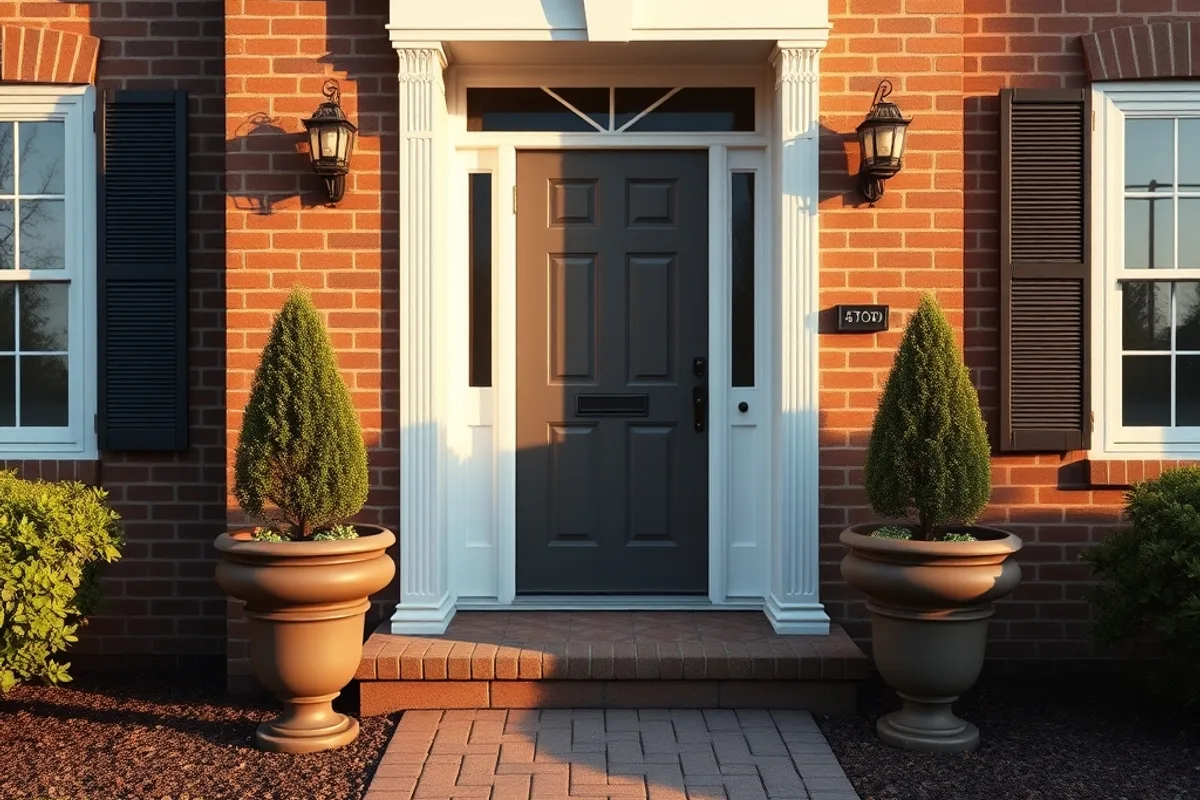
Curb appeal is usually sold as a shopping list: a new door colour, a pair of planters, a house number in a fashionable font. Those things help, but they only work on a facade that is already sound. Painted trim over soft timber, or a bright new door beside a cracked step, reads as effort rather than quality.
The better approach is to treat the front of the house as a small building project. Water first, edges second, light third, decoration last. That order keeps the budget honest and means the finished result survives the weather rather than surviving a photograph.
This guide covers a facade refresh for a typical house, from a terrace to a suburban detached home. Costs vary by region and material, so treat the ranges as a way to compare priorities rather than a quotation.
Start with a slow walk and a notebook
Walk to the far side of the street and look back at your house for a full two minutes. Then walk up to the door as a visitor would. Note what your eye lands on first, what looks tired and where water has left a mark. Most people discover that the problem is not the colour scheme but a gutter that overflows onto the porch.
Photograph the facade in flat daylight, then again in the evening. Flat light shows stains and uneven render; evening light shows how the entrance actually reads when people arrive. Keep both sets of photos so you can judge the change later without relying on memory.
Check the obvious failures before anything cosmetic: loose gutters, broken downpipes, cracked steps, rotten window sills, failed sealant around doors and any vegetation touching the wall. These are cheap to fix early and expensive to ignore.
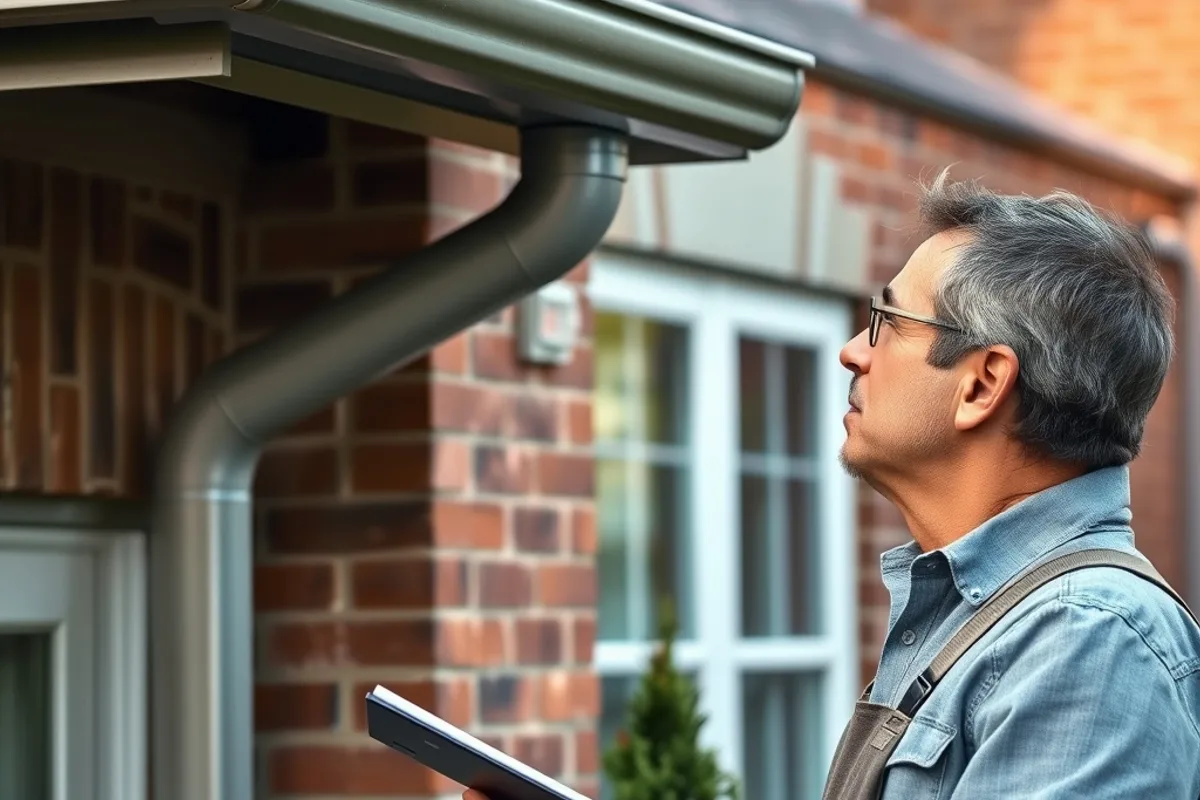
Repair the envelope before you decorate it
The facade has one job that outranks appearance: keeping water out. Clear the gutters, confirm the downpipes discharge away from the footings, and repair any cracked or hollow render. If the wall is damp, find the source before you repaint, because fresh paint over trapped moisture will blister within a season.
Timber needs attention where it meets masonry. Check sills, fascias, door frames and any decorative trim for soft spots. Probe with a small screwdriver; if it sinks easily, the timber is gone and filler is only a temporary disguise. Replace small sections properly and treat the rest with a suitable preservative.
On older houses, be careful with cement render over brick or stone. Hard, impermeable render can trap moisture and cause spalling. If the facade has patches of blown render, get a local surveyor or conservation-minded builder to look before you patch it with the same mix.
Choose a palette that suits the architecture
A facade palette is three colours, not one: the main body, the trim and the accent at the door. The most reliable approach is to take the body colour from the material itself. Brick, stone and timber all have an undertone, and a paint that fights it will look wrong in every light.
For a red-brick house, warm off-whites and deep greens usually sit well; cool greys can make the brick look orange. For a rendered house, a mid-tone body with a lighter trim gives depth without shouting. Keep the accent for the door and perhaps one small detail, not the whole ground floor.
Test colours on the wall, not on a paper swatch. Paint a patch about a metre square on two different faces of the house and live with it for a week. Colours change dramatically between morning and afternoon, and a shade that looks calm indoors can look flat outside.
A facade should look deliberate from the street and calm up close. If you notice the colour before the house, the palette is doing too much.
Fix the edges: paths, steps and boundaries
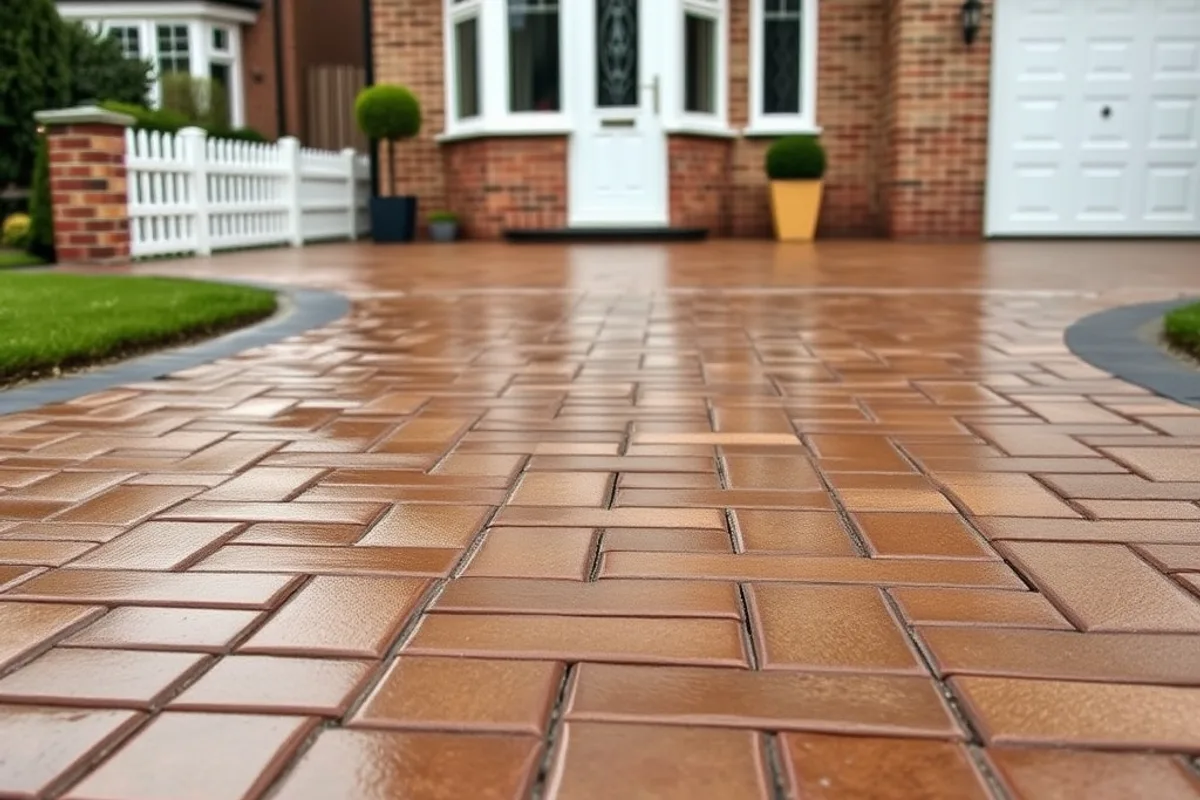
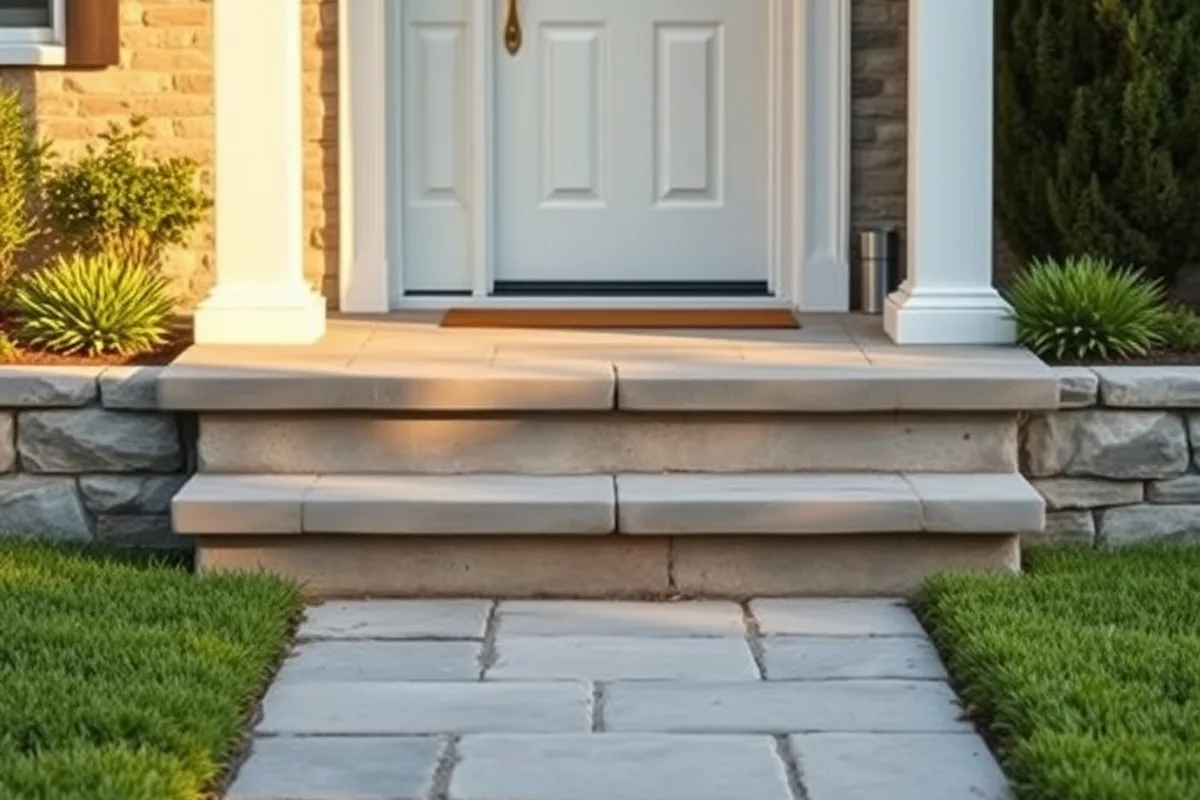
The eye reads edges before it reads surfaces. A crisp path, a clean step and a defined boundary do more for the front of a house than an expensive door. Re-point loose paving, replace broken slabs and make sure the step height is consistent and safe.
Where a path meets soil, cut a clean edge rather than letting grass spill over. Where a path meets the wall, check that the ground level sits below the damp-proof course. Raising soil or paving above it is a common and expensive mistake.
Boundaries should match the house. A low hedge suits a cottage, a metal railing suits a townhouse and a simple rendered wall suits a modern home. Repainting a fence is cheap, but only after you have replaced rotten posts; a straight line is what people actually notice.
Use light deliberately at the entrance
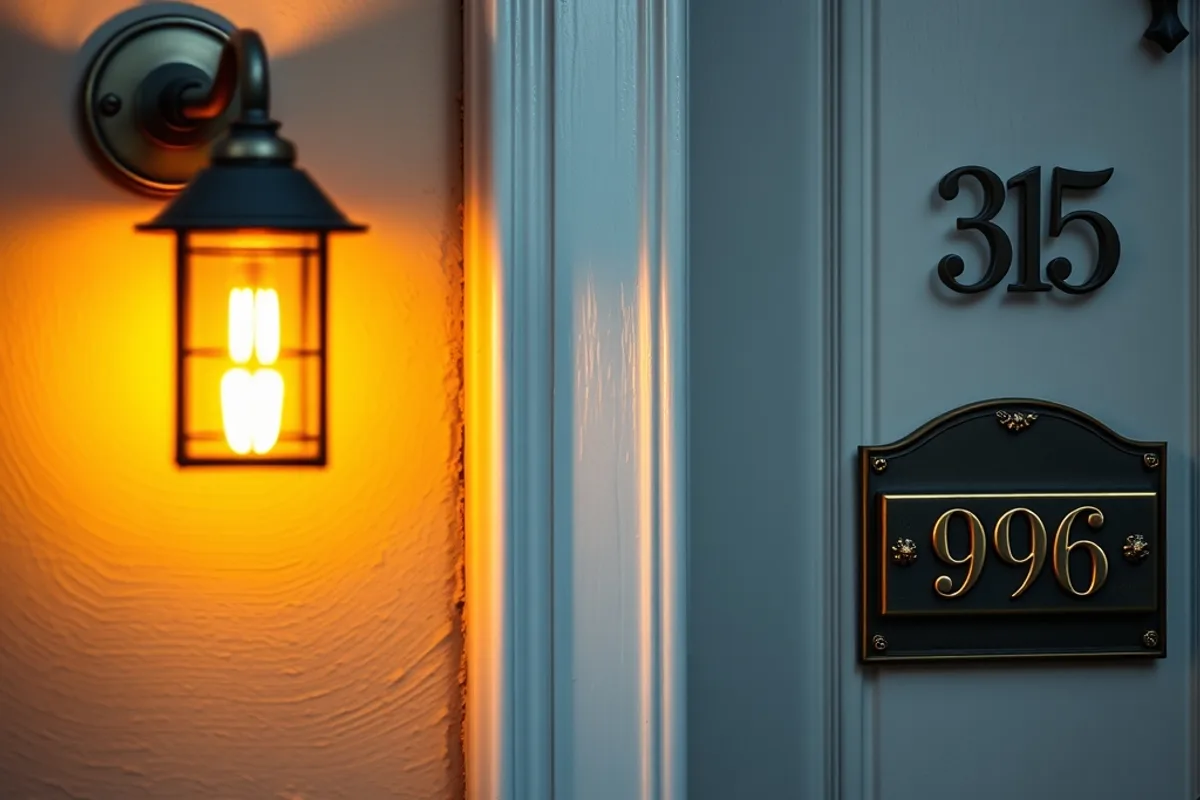
A front door needs to be found, not floodlit. One wall light beside the door, at eye height and warm in tone, is usually enough. Two matching lights can frame a wide entrance, but avoid a row of small lights that turns the porch into a runway.
Choose a fixture that suits the period of the house and is rated for outdoor use. Check the beam angle: a wide wash reveals the door and the path, while a narrow spot creates a hard pool of light and deep shadows. If you use a motion sensor, set it to a short delay so the entrance does not switch on and off all evening.
Add a visible house number and a working doorbell. These are small functional details that make the entrance feel cared for. A number that is legible from the street is worth more than a decorative plaque nobody can read.
Plant for structure, not for the season
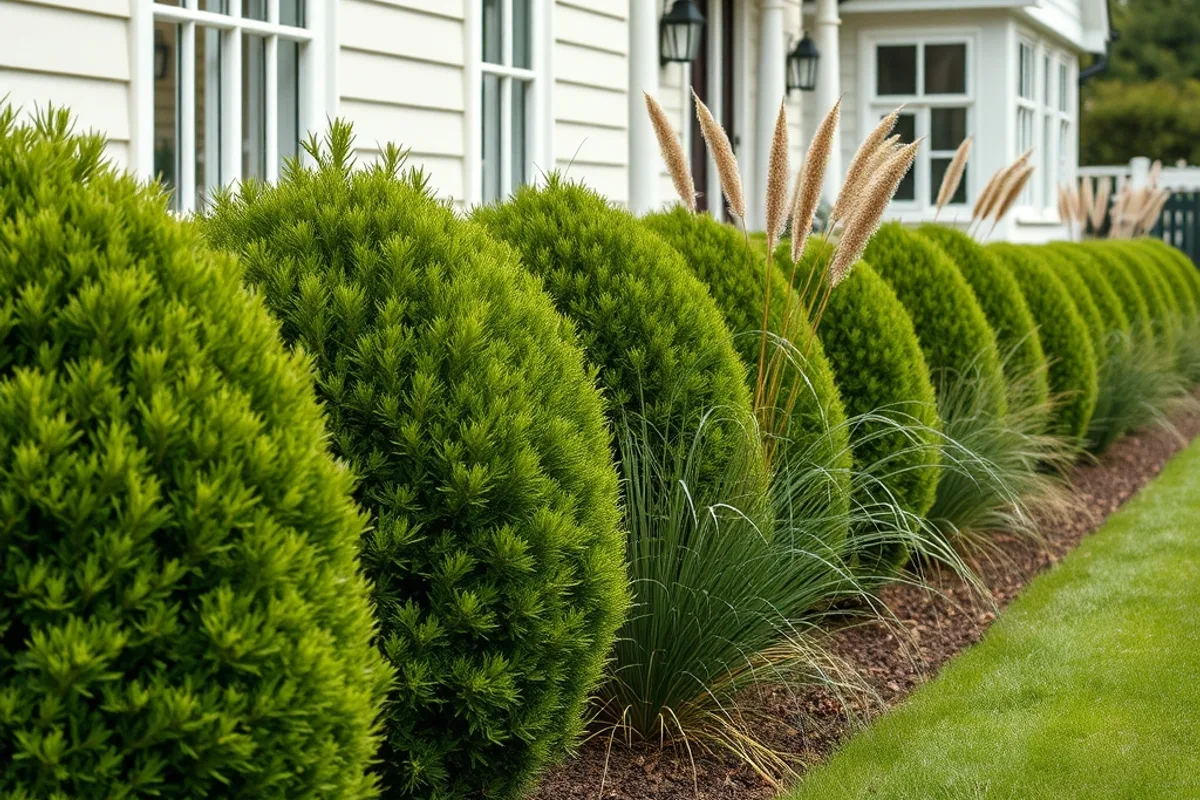
The most durable front gardens have a clear structure: a small tree or a large shrub for height, repeated plants for rhythm and a low layer for the edge. Repeat two or three species rather than collecting many. Repetition reads as design and is easier to maintain.
Choose plants for your climate and the amount of sun the front actually receives. A north-facing entrance needs shade-tolerant plants, not lavender that will sulk. Keep mature size in mind: a shrub that looks neat in a two-litre pot can block the window in four years.
Mulch the beds and water deeply while plants establish. After the first year, match the irrigation to the species rather than running a sprinkler on a timer regardless of rain. A front garden that survives a dry summer will still look intentional in September.
The facade plan, in order
- Clear gutters, repair downpipes and move water away from the wall.
- Fix rotten timber, blown render and failed sealant before painting.
- Choose a three-colour palette tested on the wall, not on paper.
- Repair paths and steps so edges are crisp and levels are safe.
- Light the door with one warm, well-aimed fixture.
- Plant repeated, climate-suitable species and mulch them well.
Spend the last ten percent on detail
Once the structure is right, small details finish the job: a clean doormat, a matching pair of planters, a brass letterbox, a freshly painted gate. These are the things a visitor sees at close range, and they are inexpensive compared with structural work.
Resist the urge to add everything at once. A facade with one strong idea, carried through consistently, looks more expensive than one with five competing ones. If the house is simple, let the door be the single point of colour.
For the hard surfaces themselves, read our guide to choosing driveways, paths and front steps that survive winter.
The bottom line
Curb appeal is maintenance made visible. Fix the water, straighten the edges, choose a restrained palette and light the door. Do that in order and the decoration has a chance to last, which is the only kind of curb appeal worth paying for.